B-Line Capital: 2,512 pages made AI-readable.
A private money broker with a national footprint and a bilingual site, rebuilt so AI platforms can tell exactly who it is, what it offers, where, and who stands behind it.
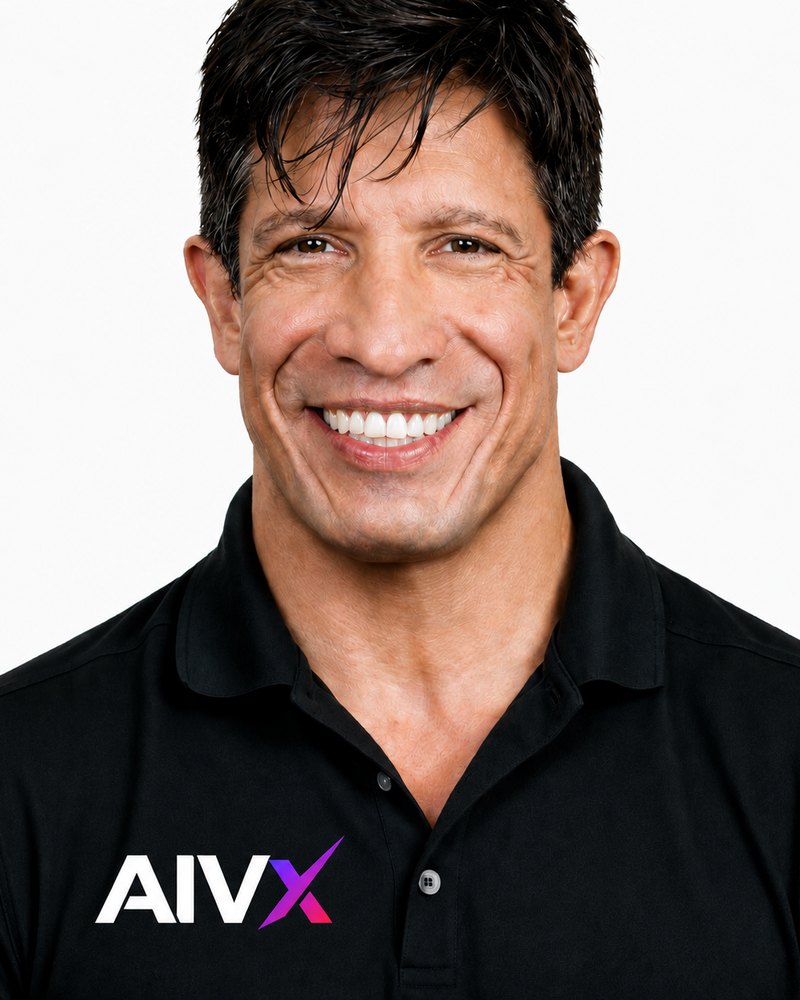
Disclosure: B-Line Capital is owned by AIVX founder Michael Schatz. We include it because it is a real, large implementation we can show in full.
The client
B-Line Capital, LLC is a private money broker for real estate investors, builders, and developers. Rather than lending directly, it compares offers from private lenders, family offices, and commercial capital sources across seven programs: rental property, DSCR, investment property, rental portfolio, bridge, fix and flip, and construction loans.
The problem
The site had grown to more than 2,500 pages, including a locations directory with a page for every program in every city served and a full Spanish version. But much of it was invisible to AI in the ways that matter:
- 382 directory, state, and city pages had no structured data at all.
- Where structured data existed, the starting rate was labeled as an APR when it was actually an interest rate, an error that can mislead AI answers about loan costs.
- The company’s logo and founder photo in its structured data pointed at outdated images, and the founder’s LinkedIn link pointed to a different person.
- The company wasn’t connected to its official profiles, so AI had no reliable way to confirm it was the same business everywhere it appeared.
- robots.txt didn’t explicitly allow the crawlers behind ChatGPT search and Perplexity, and there was no llms.txt.
What we did
1. Structured data on every page
Every page now describes the business and its offer in schema.org JSON-LD: the company as a FinancialService with its address and phone numbers, each loan program as a Service with the cities and states it serves, breadcrumbs, and the page itself. On the 2,100 city-and-program pages, the data includes local market context drawn from the U.S. Census Bureau, FHFA, and Redfin, refreshed monthly.
2. Correct facts, stated the way AI reads them
We relabeled starting rates as interest rates, pointed the logo and founder photo at current images, and fixed the founder’s profile link. Small details like these decide whether an AI answer about a lender is accurate.
3. Authorship and expertise
Product and core pages carry a visible “Written and reviewed by” byline and author box for the founder, backed by Person data that ties him to the company and his LinkedIn profile. We also connected the founder’s other companies, so AI can see the full picture of who is behind the business.
4. Entity connections
We created an official LinkedIn company page and linked it from the site’s structured data and footer, giving AI platforms a second, independent source that confirms the business’s identity.
5. AI crawler access and llms.txt
robots.txt now explicitly welcomes OAI-SearchBot (ChatGPT search), PerplexityBot, Googlebot, and Bingbot, and we confirmed that GPTBot and ClaudeBot can read the site. A new llms.txt summarizes the business, its programs, rates, and key pages in plain text, and an updated sitemap lists all 2,508 indexable URLs.
6. Validation
We loaded every URL in the sitemap after launch and validated every structured data block, confirming each page returns the new design, valid JSON-LD, and correct facts.
Results so far
The work launched in November 2026. AI platforms take time to re-crawl and re-evaluate a site, so we are measuring results over a 180-day window with before-and-after AI Visibility Scores™ and live prompt testing on ChatGPT, Gemini, Claude, Perplexity, and Google AI Overviews. We will publish the numbers here as they come in.
The takeaway for any service business: AI platforms can only recommend what they can read and verify. Correct facts, explicit structured data, real authorship, and open crawler access are the foundation, and they are measurable.
Want the same for your site?
Start with an AI Visibility Audit™ and see exactly where your business stands.